
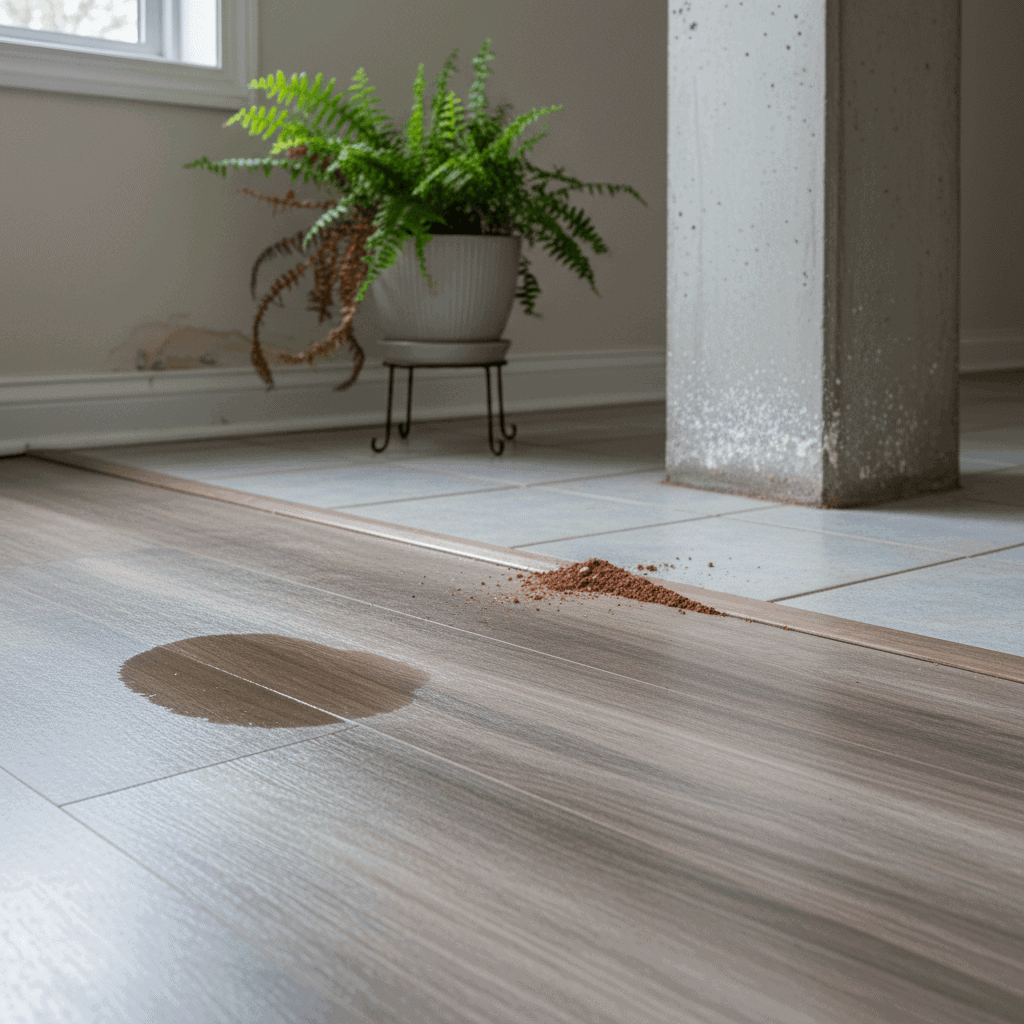
Early Signs of Slab Leaks
Spotting early signs of slab leaks can save a homeowner time and money. A leak beneath a concrete slab can start small and remain hidden until it causes visible damage. Knowing the common clues gives you a chance to act before repairs become extensive and costly.
This article walks through the most reliable indicators of a slab leak and practical steps you can take to confirm and respond to a problem. I will share real examples, simple tests you can run, and what to expect when a plumber evaluates the issue.
Early Signs of Slab Leaks that appear around the house
Slab leaks often reveal themselves through changes you can see without special tools. Pay attention to the landscape and indoor areas that tend to react quickly to unwanted moisture. Unusual wet spots on the floor, unexplained puddles near foundation walls, or areas of your yard that stay green while the rest of the lawn looks dry are common first clues.
An increase in your water bill with no change in usage is another red flag. If your monthly charge climbs and you cannot trace it to guests, changes in routine, or irrigation, a hidden leak under the slab could be the cause. Small leaks add up over time and show up on bills faster than you might expect.
Plumbing behavior that hints at a hidden slab leak
Listen to your plumbing. Sounds from pipes and variations in water pressure can indicate a problem before moisture appears on surfaces. A constant sound like water running when everything is off is a classic sign. You can run a simple quiet test at night to check for it.
- Shut off every faucet and water-using appliance in the house
- Check the water meter and note the reading
- A minute later, check the meter again
If the meter moves while no water is being used, the home likely has a leak. Slow movement may point to a small leak under the slab while faster movement could mean a larger issue somewhere in the system.
Structural and flooring clues that point to slab leaks
Flooring and foundation symptoms are among the most obvious signs to homeowners. Cracked tiles, buckled hardwood, and grout that crumbles without an apparent cause are all warning signs. Concrete foundations can show stress through hairline cracks that appear suddenly or widen over time.
Tile and grout warning signs
Ceramic and porcelain tiles will not warp, so when a tile floor begins to lift or grout loosens in a pattern that does not match wear, water from below is often to blame. Tap a suspect tile with the back of a screwdriver. A hollow sound may mean the adhesive has been compromised by moisture.
Wood and laminate floor reactions
Wood and laminate are forgiving until they are not. Warping, cupping, or persistent gaps between boards without a change in indoor humidity can mean moisture is rising from the slab. Watch how the pattern changes after you shut off water at the main supply. If the floor slowly returns to its prior shape, this suggests ongoing wetting from below rather than a short term spill.
Unusual odors and mold signs to watch for
Musty smells in a home can point to hidden moisture. Where visible mold is not present, mold growth under floors or in wall cavities fed by a slab leak will still emit odors. Pay special attention to enclosed areas like bathrooms, kitchens, and closets that sit above concrete slabs.
Visible mold near baseboards or at wall-floor junctions is a strong indicator. Keep records of where smells and stains occur so a technician can compare notes during inspection. Location patterns often lead directly to the source.
Testing options to confirm a suspected slab leak
Once you see signs, the next step is a focused verification effort. There are practical methods you can use before calling a technician and professional tools that will provide a definitive diagnosis.
- Water meter test as described earlier
- Dye tests in toilets to rule out leaks from tanks or bowls
- Turning off the main water supply and observing if the meter continues to move
For a higher level of certainty, imaging and acoustic methods are standard. Infrared cameras detect temperature changes caused by water below the slab. Acoustic equipment listens for the sound of water moving inside a pipe. Both offer non invasive ways to pinpoint a leak so repairs can be planned with less disruption.
When to call professionals and what to expect from repair services
If you find multiple signs or a clear change in meter readings, calling trained plumbers is the best next step. Quick response reduces the chance of long term damage to flooring and foundation materials. A qualified company will combine visual inspection with diagnostic tools to locate the leak precisely.
When you contact slab leak repair experts you can expect a sequence similar to this. First, they perform a visual assessment and meter test. Next, they use acoustic listening equipment and possibly infrared scans. Once the leak is located, they explain repair options and give a cost estimate before starting work.
Common repair approaches include targeted slab cutting to access and replace a damaged pipe and trenchless options to reroute or seal the pipe in place. Each method has tradeoffs. An open cut provides direct access and fast repairs but requires careful patching of concrete. Trenchless techniques reduce surface disruption and often allow faster restoration of finished floors.
Questions to ask a technician
Before any work begins, ask how they plan to locate the leak and what types of repairs they recommend for homes like yours. Request a written estimate and a timeline so you know how long drying and repair will take. Ask about warranties on both labor and materials so you have coverage if a problem returns.
Preparing for a visit
Clear furniture from the area where the technician will work. Have recent water bills on hand and a list of signs you have observed. Small details like the time a musty smell started or when a tile lifted can speed diagnosis and keep costs down.
Preventive habits to reduce the risk of slab leaks
While some slab leaks result from aging pipes or shifting soils, routine care helps prevent surprises. Know the age and type of the piping in your home. Copper and CPVC can last many years while older galvanized steel and some early plastics are more prone to failure.
- Monitor monthly water bills for unexplained increases
- Keep an eye on indoor humidity and floor condition
- Schedule periodic inspections if your home is older or built on reactive clay soil
Keeping a record of plumbing repairs and alterations allows professionals to spot risk patterns. If pipes under your slab are original to the home and you plan an upgrade or large renovation, consider discussing preemptive inspection or replacement with a plumber.
Slab leaks are a serious issue but they are manageable when caught early. Small warning signs rarely reverse themselves. Acting when you first notice unusual sounds, moisture, or changes in flooring limits damage and cost. Use the simple tests described here to gather evidence and then call for professional diagnostics if the signs persist.
When you need hands on help, contact a local service that has experience with slab situations. Timely action shortens repair time and reduces the chance of secondary damage to finishes and structure. If you suspect a leak now do not wait to gather proof. Take notes, run the meter test, and call for an inspection. Quick decisions now will protect your home and pocketbook later.